Advanced Diagnosis and Personalised Blood Cancer Treatment
A diagnosis of Blood Cancer can be overwhelming, but advances in medical science have transformed the way these cancers are diagnosed and treated. Many blood cancers can now be effectively treated, managed over the long term, and in some cases cured when identified early. At GEM Cancer Centre, we provide comprehensive Blood Cancer Treatment in Coimbatore through advanced diagnostic technologies, experienced hemato-oncology specialists, and personalised treatment plans tailored to every patient's needs.
Our multidisciplinary team includes hematologists, medical oncologists, radiation oncologists, pathologists, radiologists, stem cell transplant specialists, and oncology nurses who work together to deliver coordinated, evidence-based care. Each treatment plan is designed after evaluating the type of blood cancer, disease stage, genetic profile, and overall health of the patient.
The three main types include:
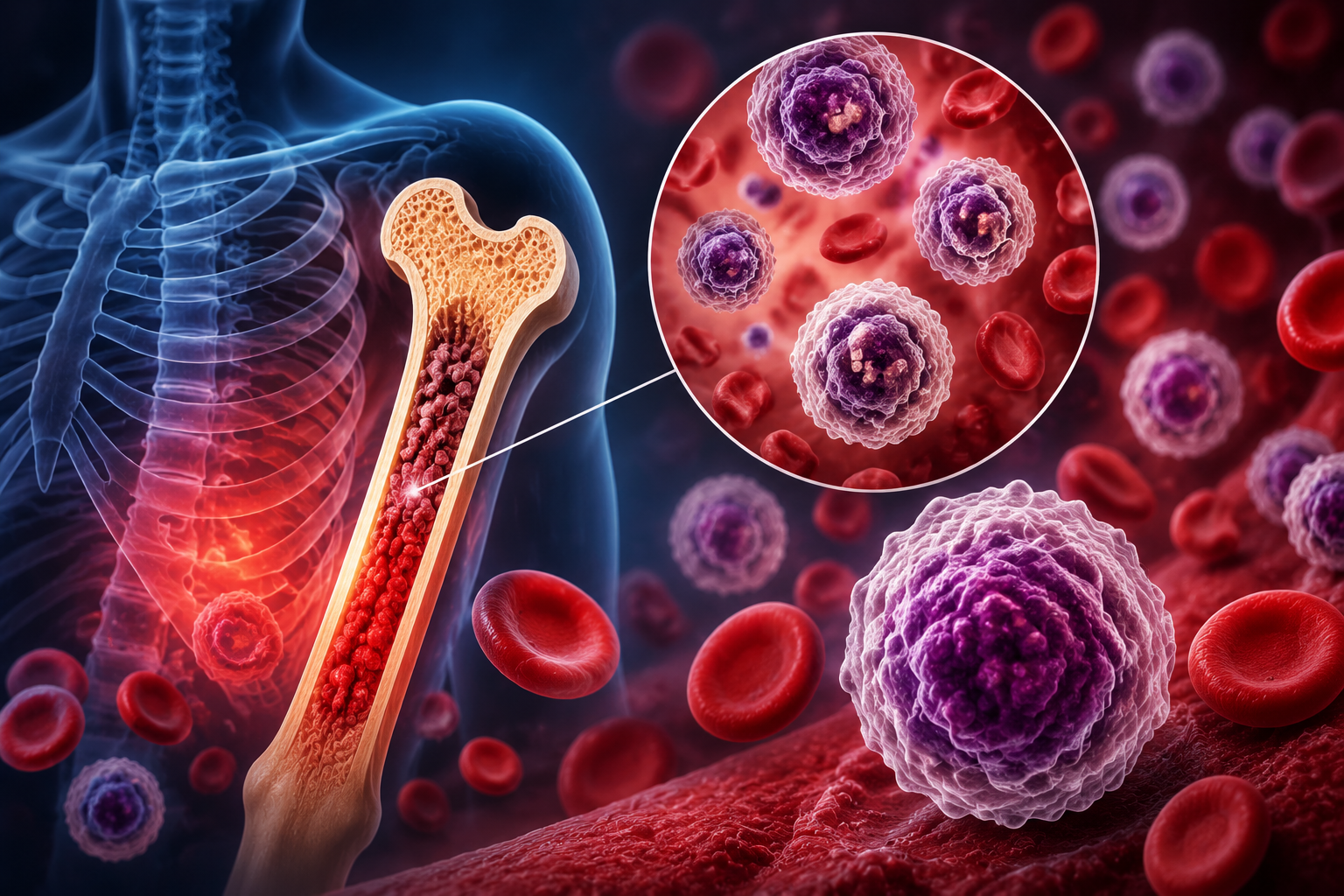
Develops in the bone marrow and produces abnormal white blood cells.
Affects the lymphatic system and commonly presents as enlarged lymph nodes.
Develops in plasma cells within the bone marrow and can affect bones, kidneys, and the immune system.
Advances in targeted therapy, immunotherapy, and stem cell transplantation have significantly improved survival rates and quality of life for patients diagnosed with blood cancer.
Whether you require chemotherapy, targeted therapy, immunotherapy, radiation therapy, stem cell transplantation, or supportive care, our specialists focus on delivering compassionate treatment using the latest medical advancements. Patients seeking Blood Cancer Treatment in Coimbatore can trust GEM Cancer Centre for expert care from diagnosis through recovery.
Early diagnosis greatly improves treatment outcomes. If you experience persistent fatigue, swollen lymph nodes, recurrent infections, unexplained weight loss, prolonged fever, or unusual bruising, consult our specialists without delay.
Although the exact cause of blood cancer is not always known, several factors may increase the risk, including:
Having one or more risk factors does not necessarily mean you will develop blood cancer. Early medical evaluation remains essential.
Early stage evaluation is key. Seek medical advice if you experience:
These symptoms may occur in other medical conditions, but persistent or worsening symptoms should always be evaluated by a specialist for an accurate diagnosis.
Accurate diagnosis is the foundation of successful treatment. Our specialists use advanced investigations to identify the exact type of blood cancer, determine its extent, and develop the most effective treatment strategy.
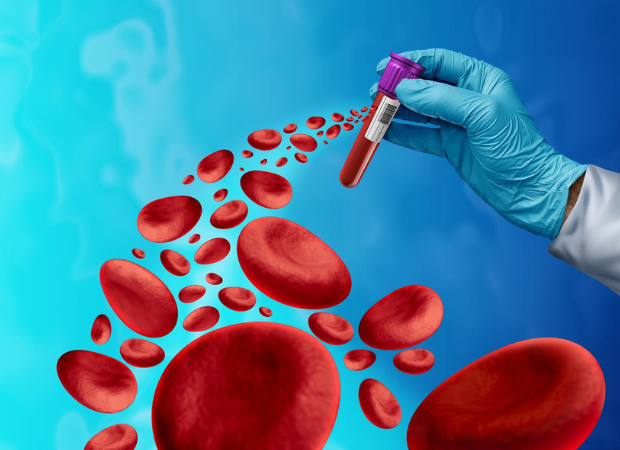
A Complete Blood Count is often the first investigation that detects abnormalities in red blood cells, white blood cells, and platelets.
Bone marrow examination confirms the diagnosis of leukaemia, lymphoma, and multiple myeloma while helping assess disease involvement.
These specialised tests identify abnormal blood cells and genetic mutations that help classify the disease and guide targeted treatment.
PET-CT, CT scans, MRI, and ultrasound may be recommended to evaluate lymph node involvement, disease spread, and treatment response.
Depending on the condition, investigations may include: Cytogenetic analysis, FISH testing, Serum protein electrophoresis (SPEP), Kidney and liver function tests, and LDH & beta-2 microglobulin. These investigations help our specialists create an accurate diagnosis and personalised treatment plan.
Treatment depends on the type of Blood Cancer, disease stage, genetic profile, and overall health.
Chemotherapy remains one of the most effective treatments for many blood cancers and may be used alone or in combination with other therapies.
Targeted therapies attack specific cancer cells, while immunotherapy helps the body's immune system recognise and destroy cancer more effectively.
For selected patients with high-risk or recurrent disease, stem cell transplantation may provide long-term remission and improved survival outcomes.
Radiation therapy may be recommended for certain lymphomas or symptom relief. Supportive care, including blood transfusions, infection control, nutritional support, and pain management, helps patients complete treatment safely while maintaining their quality of life.
Need expert guidance? Schedule a consultation with our hemato-oncology specialists to discuss the most suitable treatment options for your condition.
At GEM Cancer Centre, every patient receives compassionate, coordinated care from diagnosis through recovery.
Our hemato-oncology specialists evaluate your symptoms, medical history, and previous reports before recommending appropriate investigations.
Advanced tests including blood investigations, bone marrow biopsy, flow cytometry, PET-CT, and molecular testing help accurately diagnose and classify the disease.
A multidisciplinary tumour board develops an individualised treatment plan based on the type of blood cancer, stage, genetic profile, and overall health.
Treatment may include chemotherapy, targeted therapy, immunotherapy, radiation therapy, stem cell transplantation, or a combination of these approaches as part of comprehensive Blood Cancer Treatment in Coimbatore.
Our specialists continue to monitor recovery through regular follow-up visits, investigations, rehabilitation, and supportive care.
Our dedicated chemotherapy and immunotherapy day-care unit provides comfortable infusion environments, while our hematologists implement rigorous infection prevention protocols and supportive care essential for immunocompromised blood cancer patients.
Choosing the right cancer centre plays a vital role in successful treatment and long-term recovery. At GEM Cancer Centre, we provide comprehensive care through a multidisciplinary team of experienced hemato-oncology specialists, advanced diagnostic facilities, and personalised treatment plans tailored to each patient's unique needs.
Every case is carefully evaluated based on the type of blood cancer, disease stage, genetic profile, age, overall health, and treatment goals. Our specialists collaborate closely to deliver coordinated, evidence-based care using internationally accepted treatment protocols.
Patients can rely on GEM Cancer Centre for compassionate, patient-centred care backed by advanced technology, experienced specialists, and a commitment to achieving the best possible treatment outcomes.
Recovery is an important part of successful blood cancer treatment. At GEM Cancer Centre, we provide comprehensive follow-up care to help patients recover safely, manage treatment-related side effects, and maintain their quality of life. Regular monitoring also helps detect recurrence early and ensures timely medical intervention when required.
Our multidisciplinary team supports every patient throughout recovery with personalised care and long-term guidance.
Our Follow-up Care Includes:
Patients receiving Blood Cancer Treatment in Coimbatore benefit from continuous monitoring that supports long-term recovery and overall well-being.
The cost of treatment varies depending on the type of blood cancer, stage of the disease, recommended therapies, treatment duration, and individual medical requirements.
Treatment costs may depend on:
During your consultation, our specialists will explain the recommended treatment plan and provide a transparent estimate based on your healthcare needs.
If you experience persistent fatigue, swollen lymph nodes, frequent infections, unexplained weight loss, or prolonged fever, seek medical attention without delay. Our experienced specialists provide advanced diagnosis and personalised treatment using the latest evidence-based therapies.
Book your consultation today at GEM Cancer Centre and take the first step towards expert blood cancer care.