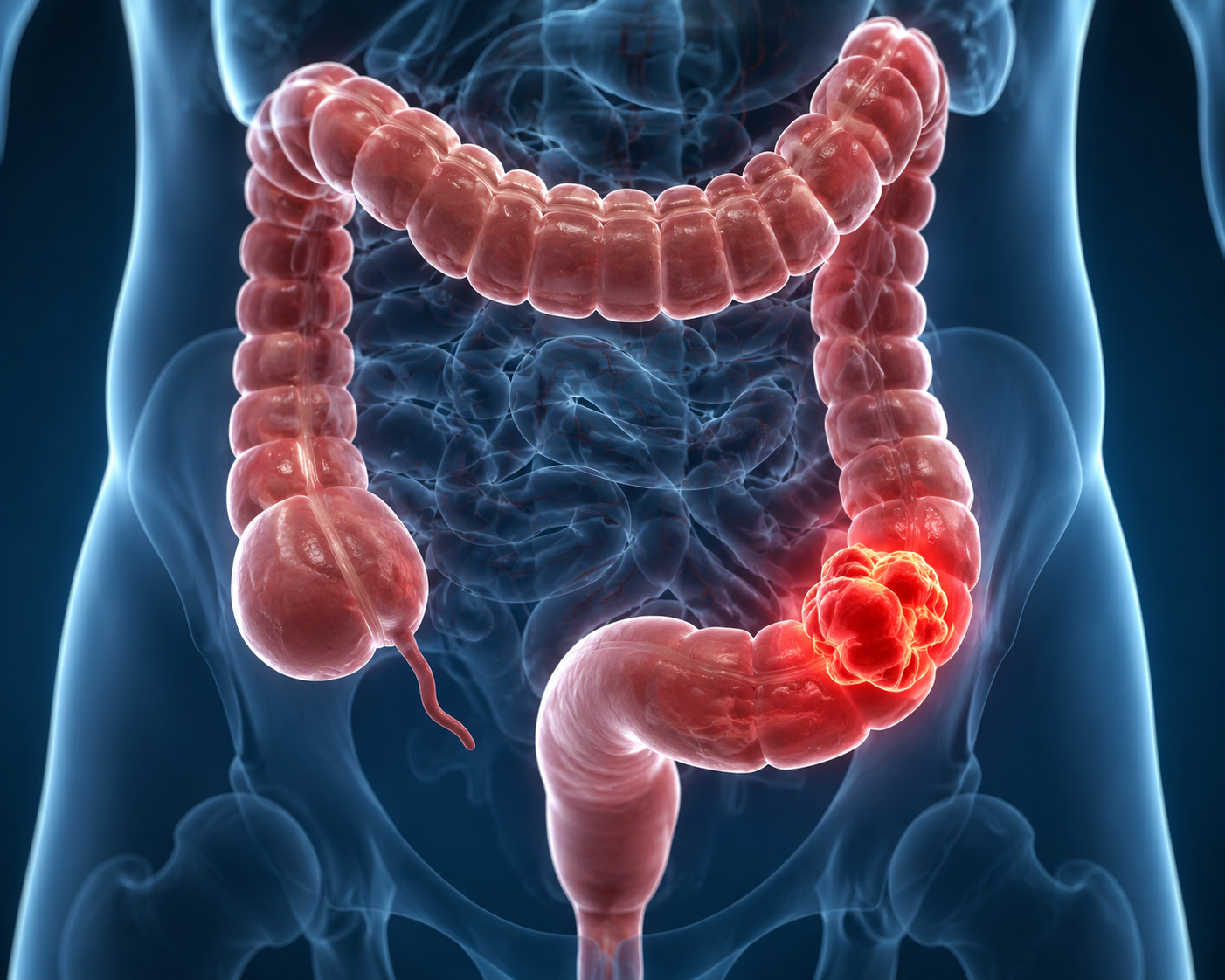
Advanced Diagnosis and Personalised Colorectal Cancer Care
A colorectal cancer diagnosis can be challenging, but early detection, accurate staging, and timely treatment can improve outcomes. At GEM Cancer Centre, we provide advanced Colorectal Cancer Treatment in Coimbatore through modern diagnostic technology, experienced gastrointestinal (GI) oncology specialists, and personalised treatment plans designed according to each patient’s condition.
Our multidisciplinary team includes GI surgical oncologists, medical oncologists, radiation oncologists, gastroenterologists, radiologists, pathologists, and oncology nurses who work together to provide coordinated and evidence-based cancer care. Treatment plans are developed after evaluating cancer type, tumour location, stage, molecular profile, overall health, and individual treatment goals.
Whether you require robotic colorectal surgery, chemotherapy, targeted therapy, immunotherapy, radiation therapy, or advanced procedures such as HIPEC, our specialists focus on providing compassionate care using modern treatment approaches.
Patients looking for expert colorectal cancer care can rely on GEM Cancer Centre for advanced evaluation, personalised treatment planning, and continuous support from diagnosis through recovery. As a trusted colorectal cancer hospital in Coimbatore, we focus on effective treatment while helping patients maintain quality of life.
If you experience blood in stools, persistent bowel changes, unexplained weight loss, or abdominal discomfort, consult a specialist early for proper evaluation.
Several factors may increase the risk of developing colorectal cancer, including:
Having risk factors does not always mean a person will develop cancer. However, regular screening and medical evaluation of persistent symptoms can help detect problems early.
Recognising symptoms early helps doctors diagnose colorectal cancer before it progresses. Common symptoms include:
Blood in stools should not be ignored, even though it may occur due to conditions other than cancer. A specialist consultation can help identify the cause and guide further treatment.
Accurate diagnosis is essential for selecting the right treatment. At GEM Cancer Centre, advanced diagnostic methods help confirm cancer, determine its stage, and guide treatment decisions.
Colonoscopy allows specialists to examine the colon and rectum using a flexible camera. Suspicious growths can be removed, and tissue samples can be collected for biopsy.
A biopsy confirms cancer by examining tumour tissue under a microscope. Histopathology provides information about: cancer type, tumour grade, depth of tumour invasion, and lymph node involvement.
Imaging tests help evaluate tumour size, cancer spread, lymph node involvement, and disease extent.
Molecular tests such as KRAS, NRAS, BRAF, MSI, and HER2 testing help specialists identify suitable patients for targeted therapy or immunotherapy.
The treatment approach depends on cancer stage, tumour location, and overall health. At GEM Cancer Centre, specialists provide personalised Colorectal Cancer Treatment in Coimbatore using evidence-based therapies.
Robotic surgery provides improved precision during complex procedures. Benefits may include: smaller incisions, reduced blood loss, less discomfort, faster recovery, and better surgical accuracy.
Chemotherapy uses medicines to destroy cancer cells or slow their growth. It may be recommended before surgery, after surgery, or for advanced cancer.
Targeted therapy focuses on specific changes in cancer cells. Molecular testing helps determine whether these treatments may benefit individual patients.
Immunotherapy helps the immune system recognise and attack cancer cells. Patients with specific tumour characteristics, such as MSI-High colorectal cancer, may benefit after specialist evaluation.
Radiation therapy may be recommended for selected rectal cancer patients. It helps reduce tumour size, improve surgical outcomes, and lower recurrence risk.
For carefully selected patients with advanced colorectal cancer involving the abdominal lining, HIPEC combines surgery with heated chemotherapy delivered directly into the abdomen.
Specialists review symptoms, medical history, reports, and risk factors.
Tests such as colonoscopy, biopsy, imaging, and molecular testing help determine the disease stage.
A multidisciplinary team develops a personalised treatment strategy.
Patients may receive surgery, chemotherapy, radiation therapy, targeted therapy, immunotherapy, or HIPEC based on their condition.
Regular monitoring and rehabilitation support help patients maintain long-term wellness.
Screening plays an important role because it can identify precancerous polyps before cancer develops. Early diagnosis allows specialists to plan appropriate treatment and improve outcomes.
At GEM Cancer Centre, our GI oncology team combines clinical expertise, advanced technology, and personalised care to provide comprehensive Colorectal Cancer Treatment in Coimbatore.
Each treatment plan is based on:
Patients benefit from:
Patients choose GEM Cancer Centre for:
At GEM Cancer Centre, we are committed to providing advanced Breast Cancer Treatment in Coimbatore with a focus on accurate diagnosis, personalised therapy, quality care, and continuous support throughout every stage of the cancer journey.
Recovery continues after active treatment. GEM Cancer Centre provides ongoing support through:
Regular monitoring helps detect recurrence early and supports long-term health.
The cost of treatment varies depending on cancer stage, diagnostic tests, surgery, therapies, hospital stay, and follow-up care.
Treatment expenses may include:
Specialists provide treatment guidance and cost information based on each patient’s medical requirements.
If you experience persistent bowel changes, blood in stools, weight loss, or abdominal discomfort, seek expert medical advice without delay.
GEM Cancer Centre provides advanced Colorectal Cancer Treatment in Coimbatore with personalised care, modern technology, and evidence-based treatment approaches.
Schedule a consultation today and take the first step towards expert colorectal cancer care.