Advanced Diagnosis and Personalised Thyroid Cancer Treatment
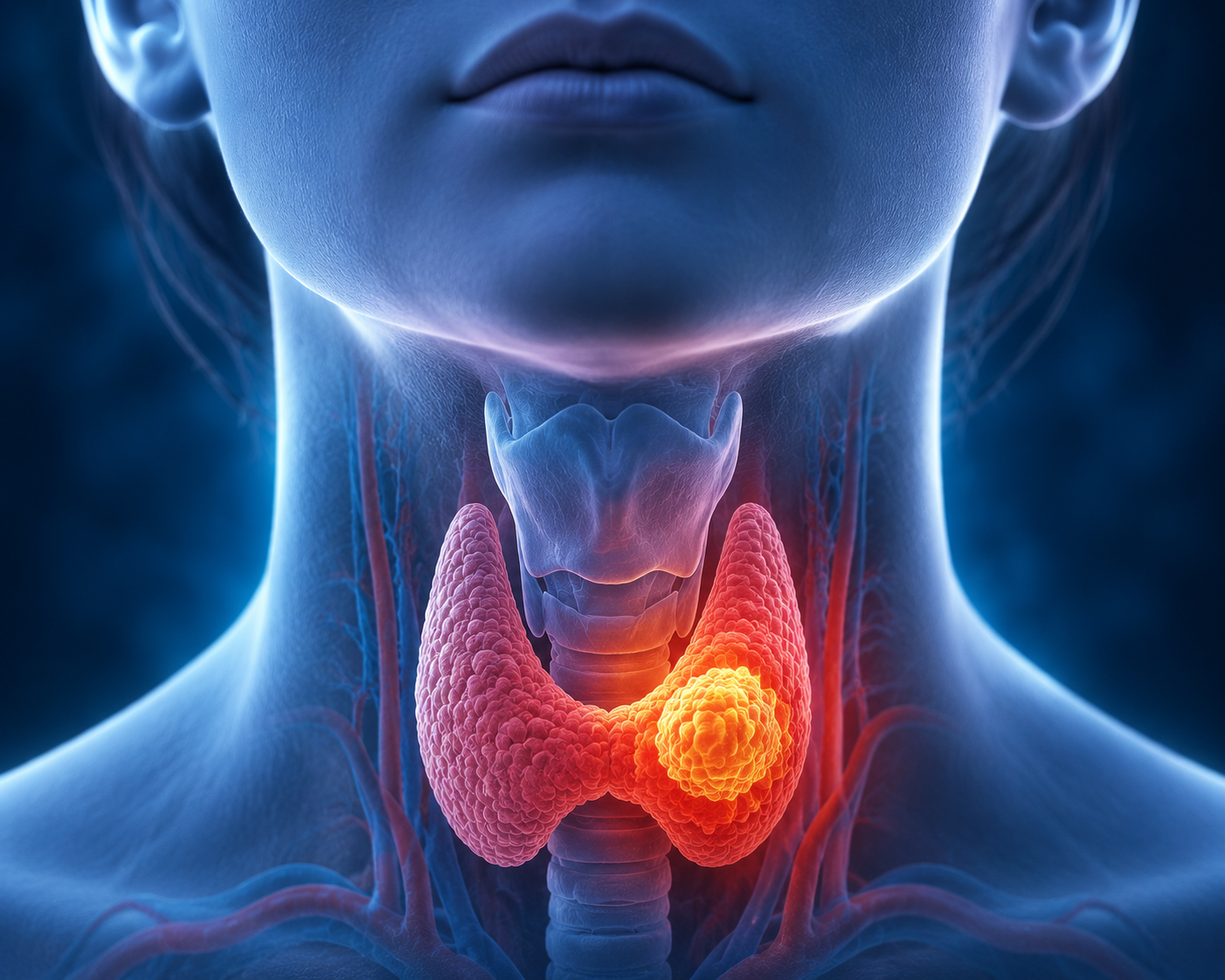
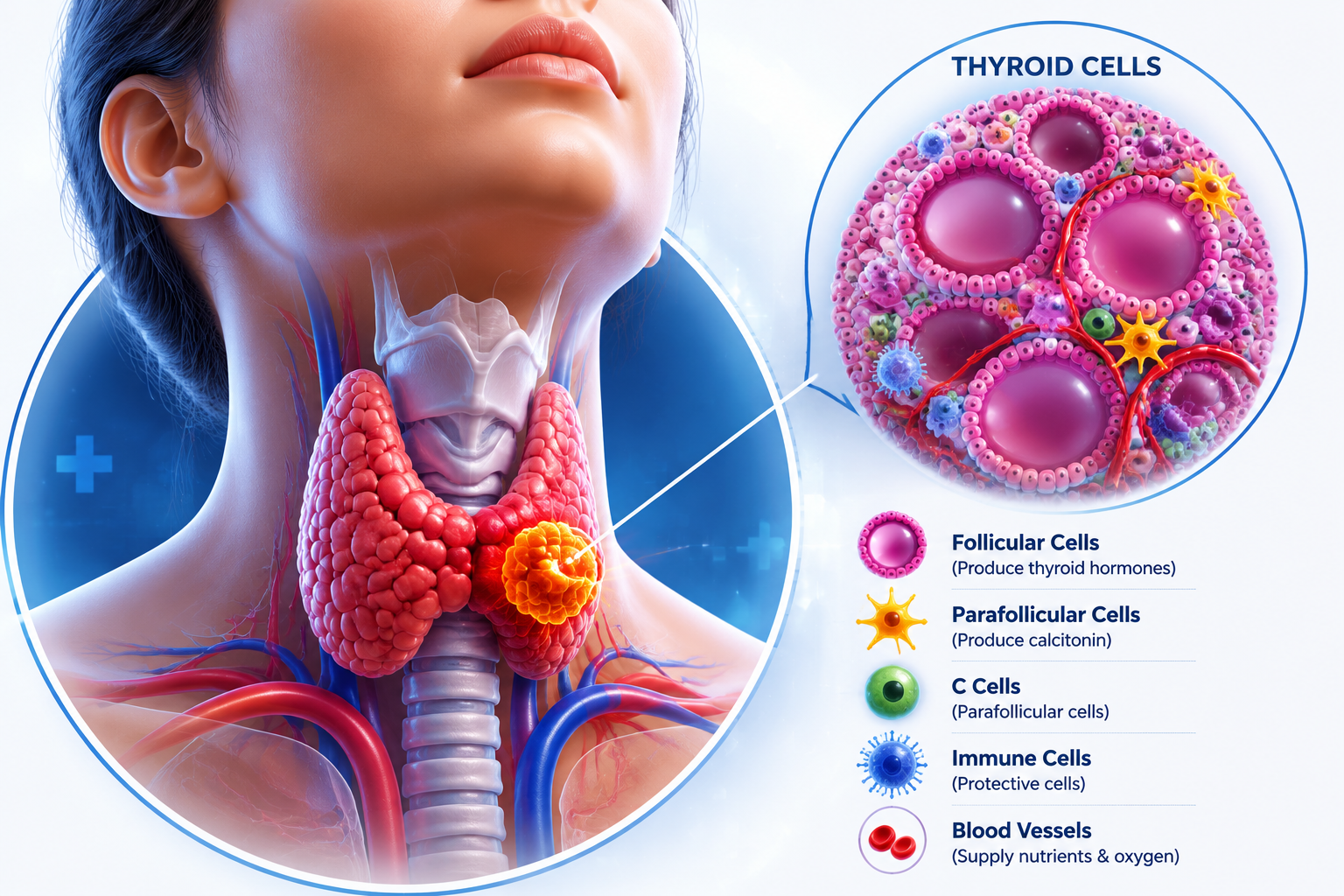
A diagnosis of thyroid cancer can be concerning, but it is also one of the most treatable cancers when detected early. With timely diagnosis, expert surgical care, and personalised treatment, many patients achieve excellent long-term outcomes. At GEM Cancer Centre, we provide comprehensive Thyroid Cancer Treatment in Coimbatore through advanced diagnostic facilities, experienced oncology specialists, and evidence-based treatment protocols tailored to each patient's condition.
Our multidisciplinary team includes endocrine surgeons, surgical oncologists, medical oncologists, radiation oncologists, nuclear medicine specialists, radiologists, pathologists, and oncology nurses who work together to deliver coordinated cancer care. Every treatment plan is developed after carefully evaluating the tumour type, stage, lymph node involvement, molecular characteristics, and the patient's overall health.
The most common types include:
Both of these types generally have excellent survival rates when diagnosed early. Early diagnosis and removal often provide excellent outcomes.
Less common forms of thyroid cancer that often require specialised treatment, tailored protocols, and close monitoring.
Treatment depends on the type of tumour, its stage, whether it has spread beyond the thyroid gland, and the patient's overall health. Modern treatment approaches combine surgery, radioiodine therapy, targeted therapy, and long-term surveillance to achieve the best possible outcomes.
Early diagnosis significantly improves treatment success. If you notice a lump in your neck, persistent hoarseness, difficulty swallowing, or swollen lymph nodes, consult our specialists without delay. Early evaluation allows access to effective Thyroid Cancer Treatment in Coimbatore before the disease progresses.
Several factors may increase the risk of developing thyroid cancer:
Having one or more risk factors does not necessarily mean you will develop thyroid cancer. Regular medical evaluation and prompt investigation of thyroid nodules are essential for early detection.
Early stage evaluation is key. Seek medical advice if you experience:
Many thyroid cancers produce no symptoms during the early stages, making regular evaluation of thyroid nodules important for timely diagnosis.
Early diagnosis is essential for selecting the most effective treatment. Our specialists use advanced investigations to accurately identify the type, stage, and extent of the disease.
High-resolution ultrasound helps evaluate thyroid nodules, assess lymph nodes, and determine whether further testing is required.
FNAC is the gold standard for evaluating suspicious thyroid nodules. Tissue samples are examined under a microscope to confirm the diagnosis and determine the type of thyroid cancer.
Blood investigations may include thyroid hormone levels, calcitonin, thyroglobulin, calcium levels, and other tumour markers that assist in diagnosis and follow-up.
Depending on the patient's condition, additional investigations may include: CT Scan, MRI, PET-CT, and Radioiodine Whole Body Scan. These imaging studies help determine whether the cancer has spread beyond the thyroid gland.
For selected patients, genetic testing such as RET or BRAF mutation analysis helps identify eligibility for targeted therapy and supports personalised treatment planning.
Treatment depends on the type of Thyroid Cancer, tumour stage, and overall health. Our specialists provide personalised Thyroid Cancer Treatment using the latest medical advancements.
Surgery is the primary treatment for most thyroid cancers. Depending on the diagnosis, treatment may include partial thyroidectomy, total thyroidectomy, or lymph node dissection while preserving important structures such as the vocal cord nerves and parathyroid glands whenever possible.
Radioiodine (I-131) therapy is commonly recommended after surgery for selected patients to destroy any remaining thyroid tissue or microscopic cancer cells and reduce the risk of recurrence.
Patients with advanced, recurrent, or radioiodine-resistant thyroid cancers may benefit from targeted therapy or precision radiation therapy. These treatments are carefully selected based on tumour characteristics and individual patient needs.
Need Expert Guidance? Schedule a consultation with our specialists to receive a personalised treatment plan designed specifically for your condition.
At GEM Cancer Centre, every patient receives coordinated, compassionate care from diagnosis through recovery.
Our oncology specialists evaluate your symptoms, thyroid nodule, medical history, and previous reports before recommending appropriate investigations.
Advanced investigations, including ultrasound, FNAC, blood tests, CT scan, PET-CT, and molecular testing when required, help accurately diagnose and stage the disease. Accurate staging allows doctors to understand the extent of disease and select the most appropriate treatment approach.
A multidisciplinary tumour board develops an individual treatment plan based on the cancer type, stage, molecular profile, and overall health.
Treatment may include surgery, radioiodine therapy, targeted therapy, radiation therapy, or a combination of these approaches as part of comprehensive Thyroid Cancer Treatment in Coimbatore.
Our specialists continue to monitor recovery through scheduled follow-up visits, hormone replacement management, imaging, and ongoing surveillance to promote long-term health.
Our endocrine surgeons and nuclear medicine specialists coordinate care to preserve parathyroid glands and recurrent laryngeal nerves. This precise surgical focus preserves voice, calcium balance, and metabolic health.
Choosing the right cancer centre plays a crucial role in achieving successful treatment outcomes. At GEM Cancer Centre, our multidisciplinary oncology team provides comprehensive Thyroid Cancer Treatment in Coimbatore using advanced technology, personalised treatment plans, and internationally accepted clinical guidelines.
Every patient receives an individualised treatment plan after careful evaluation by endocrine surgeons, surgical oncologists, medical oncologists, radiation oncologists, nuclear medicine specialists, radiologists, pathologists, and oncology nurses. Our collaborative approach ensures that every aspect of diagnosis, treatment, and recovery is managed under one roof.
Our collaborative approach ensures that every aspect of diagnosis, treatment, and recovery is managed under one roof.
Patients can rely on GEM Cancer Centre for expert care focused on accurate diagnosis, personalised treatment, and long-term quality of life through a multidisciplinary approach and advanced cancer care.
Recovery is an important phase of Thyroid Cancer Treatment. At GEM Cancer Centre, we provide comprehensive follow-up care to monitor recovery, manage treatment-related side effects, and detect any signs of recurrence as early as possible. Our multidisciplinary team works closely with patients to ensure long-term health, hormonal balance, and an improved quality of life.
Our Follow-up Care Includes:
Patients receiving Thyroid Cancer Treatment in Coimbatore at GEM Cancer Centre benefit from continuous monitoring and personalised care designed to support lasting recovery and reduce the risk of recurrence.
The cost of treatment varies depending on the type of thyroid cancer, stage of the disease, recommended therapies, surgical procedure, and individual medical needs.
Treatment costs may include:
During your consultation, our specialists will explain your treatment options and provide a transparent estimate based on your personalised treatment plan.
If you notice a lump in your neck, persistent hoarseness, or difficulty swallowing, don't delay seeking expert medical care. Our specialists provide advanced diagnosis and personalised treatment plans using the latest evidence-based therapies.
Book your consultation today at GEM Cancer Centre and take the first step towards expert cancer care.