A diagnosis of stomach cancer can feel overwhelming, but advances in early diagnosis, robotic surgery, precision oncology, and personalised treatment have significantly improved patient outcomes. At GEM Cancer Centre, we provide comprehensive Best Stomach Cancer Treatment in Coimbatore through advanced diagnostic technologies, experienced gastrointestinal oncology specialists, and evidence-based treatment plans tailored to every patient's condition.
Our multidisciplinary team includes gastrointestinal surgeons, medical oncologists, radiation oncologists, gastroenterologists, radiologists, pathologists, nutrition specialists, and oncology nurses who work together to deliver coordinated cancer care. Every treatment plan is designed after evaluating the tumour stage, molecular profile, nutritional status, overall health, and individual treatment goals.
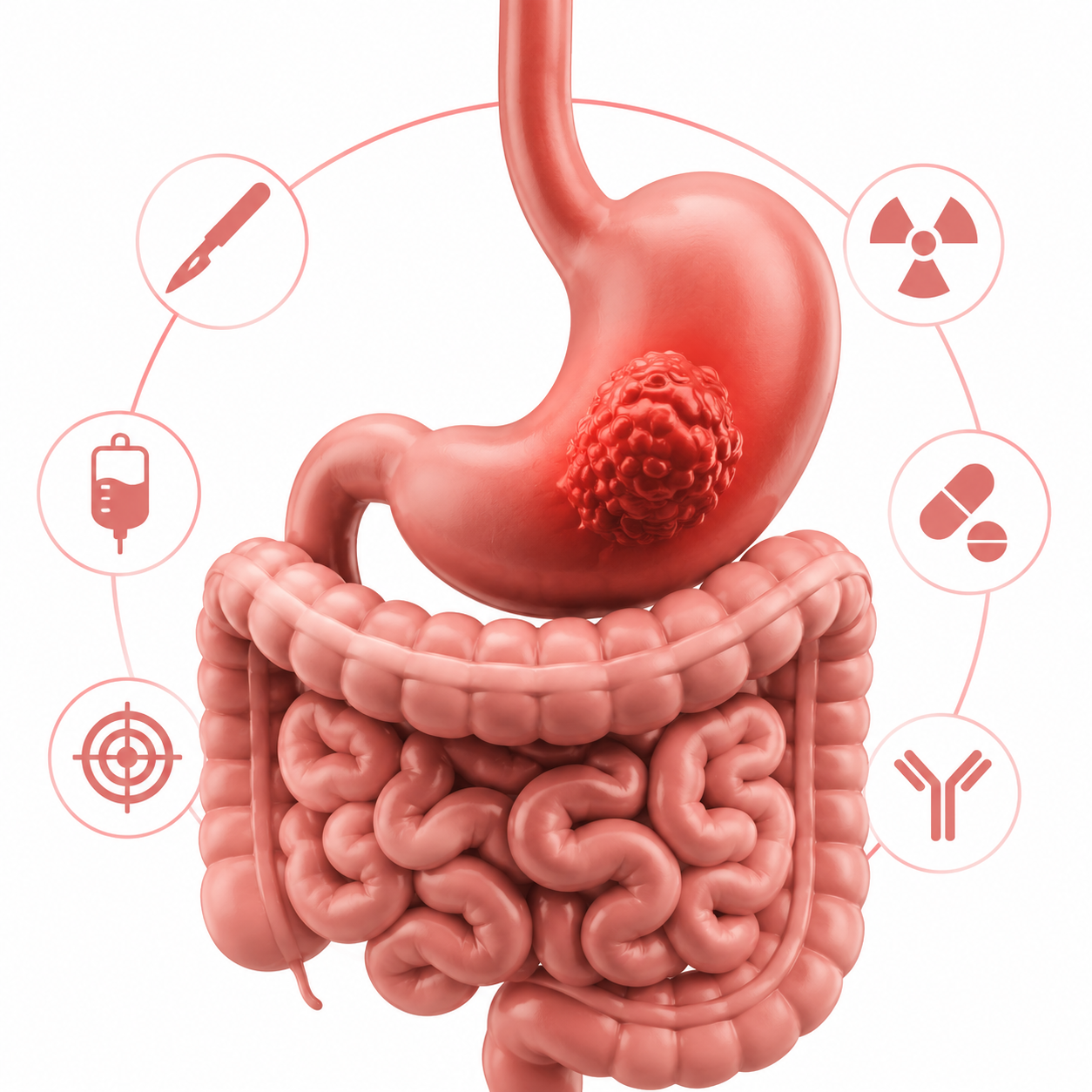
Whether you require robotic surgery, chemotherapy, targeted therapy, immunotherapy, HIPEC, or supportive care, our specialists focus on delivering world-class Best Stomach Cancer Treatment in Coimbatore using internationally accepted treatment protocols. Patients receive compassionate care from diagnosis through recovery, ensuring the best possible clinical outcomes while maintaining quality of life.
Early diagnosis plays a vital role in successful treatment. If you experience persistent indigestion, stomach pain, difficulty swallowing, unexplained weight loss, vomiting, or black stools, consult our specialists without delay for expert evaluation.
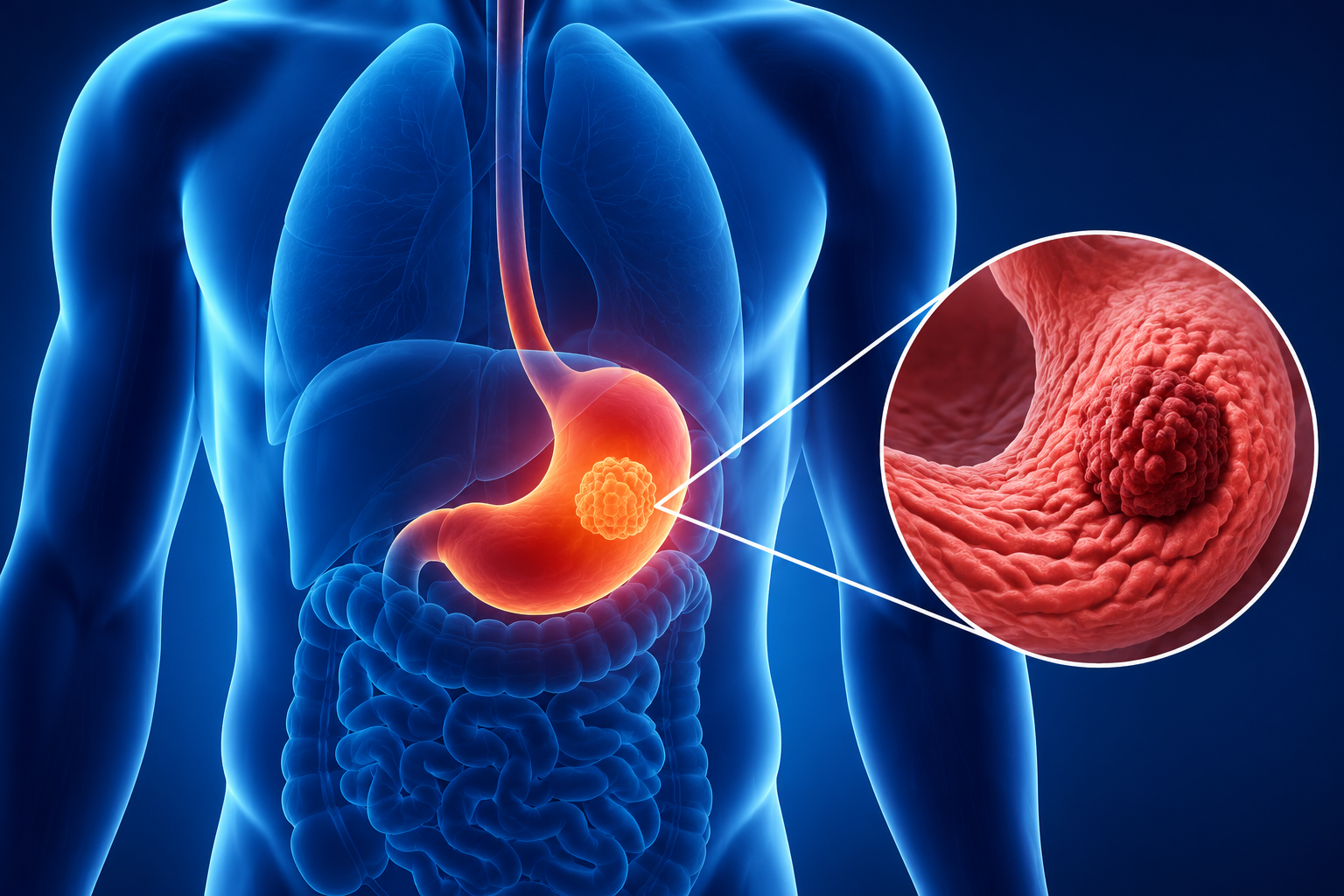
Stomach cancer, also known as gastric cancer, develops when abnormal cells grow uncontrollably in the lining of the stomach. If not diagnosed and treated early, these cells can spread to nearby lymph nodes and other organs.
Most stomach cancers are adenocarcinomas that originate from the stomach's inner lining. Depending on the tumour type and stage, Stomach Cancer Treatment may involve surgery, chemotherapy, radiation therapy, targeted therapy, immunotherapy, or a combination of treatments.
People looking for advanced Stomach Cancer Treatment in Coimbatore benefit from personalised care, modern diagnostic facilities, and multidisciplinary expertise available under one roof at GEM Cancer Centre.
Although the exact cause of stomach cancer is not always known, several factors can increase the risk of developing the disease.
Helicobacter pylori (H. pylori) infection
Smoking and tobacco use
Diet rich in smoked, salted, or processed foods
Family history of stomach cancer
Chronic gastritis
Previous stomach surgery
Obesity
Excessive alcohol consumption
Increasing age
Inherited genetic syndromes
Having one or more of these risk factors does not necessarily mean you will develop stomach cancer. Regular health check-ups, timely endoscopy for persistent digestive symptoms, and early medical evaluation can help detect the disease at a stage where Stomach Cancer Treatment in Coimbatore offers the best chance of successful recovery.
Early stomach cancer often develops without noticeable symptoms, making routine medical evaluation important for people with persistent digestive problems. As the disease progresses, symptoms become more apparent and should never be ignored.
Persistent indigestion or heartburn
Upper abdominal pain or discomfort
Feeling full after eating small amounts (early satiety)
Loss of appetite
Unexplained weight loss
Nausea or vomiting
Vomiting blood
Black or tarry stools
Difficulty swallowing (especially for upper stomach cancers)
Fatigue caused by anaemia
These symptoms may also occur due to ulcers, gastritis, or other digestive disorders. However, if they persist for more than a few weeks, consult a gastrointestinal oncology specialist for early diagnosis and appropriate care.
Choosing the right cancer centre plays a vital role in achieving the best possible outcomes. At GEM Cancer Centre, our multidisciplinary gastrointestinal oncology team provides advanced Stomach Cancer Treatment in Coimbatore using evidence-based treatment protocols and modern technology.
Every patient receives an individualised treatment plan based on tumour stage, location, pathology, HER2 status, nutritional health, and overall medical condition. Our multidisciplinary tumour board reviews every case to recommend the most effective treatment approach.
Patients seeking Best Stomach Cancer Treatment in Coimbatore benefit from comprehensive cancer care focused on improving survival, reducing complications, and enhancing long-term quality of life.
Accurate diagnosis is essential for selecting the most effective treatment strategy.
Confirms the diagnosis by examining the stomach lining and collecting tissue samples.
Evaluates the depth of tumour invasion and nearby lymph nodes.
Detect cancer spread and assist in staging.
Identifies hidden abdominal spread before surgery.
Helps determine eligibility for targeted therapy and immunotherapy.
Includes CBC, liver and kidney function tests, and tumour markers where appropriate.
These advanced investigations help our specialists accurately determine the stage of the disease and develop a personalised treatment plan designed to achieve the best possible outcome for every patient.
Treatment depends on the stage of the disease, tumour location, molecular profile, nutritional status, and overall health of the patient. At GEM Cancer Centre, we provide comprehensive care using advanced technologies and internationally accepted treatment protocols.
For patients with localised stomach cancer, robotic-assisted gastrectomy offers greater surgical precision through minimally invasive techniques. This approach helps reduce blood loss, minimise pain, shorten hospital stay, and promote faster recovery while achieving excellent cancer control.
Chemotherapy may be given before surgery (neoadjuvant), after surgery (adjuvant), or as the primary treatment for advanced disease. Modern chemotherapy protocols help improve survival and reduce the risk of recurrence.
Patients whose tumours are HER2-positive may benefit from targeted medicines such as trastuzumab. Molecular testing helps identify patients who are most likely to respond to these therapies.
Immunotherapy has become an important treatment option for selected patients with advanced stomach cancer, particularly those with PD-L1-positive or MSI-high tumours, helping improve long-term outcomes.
For carefully selected patients whose cancer has spread within the abdominal cavity, HIPEC may be recommended along with cytoreductive surgery to improve disease control.
Recovery continues long after treatment is completed. Our multidisciplinary team provides comprehensive follow-up care to monitor recovery, manage side effects, improve nutrition, and detect recurrence at an early stage.
Continuous follow-up helps patients recover safely while maintaining their overall health and quality of life after Stomach Cancer Treatment in Coimbatore.