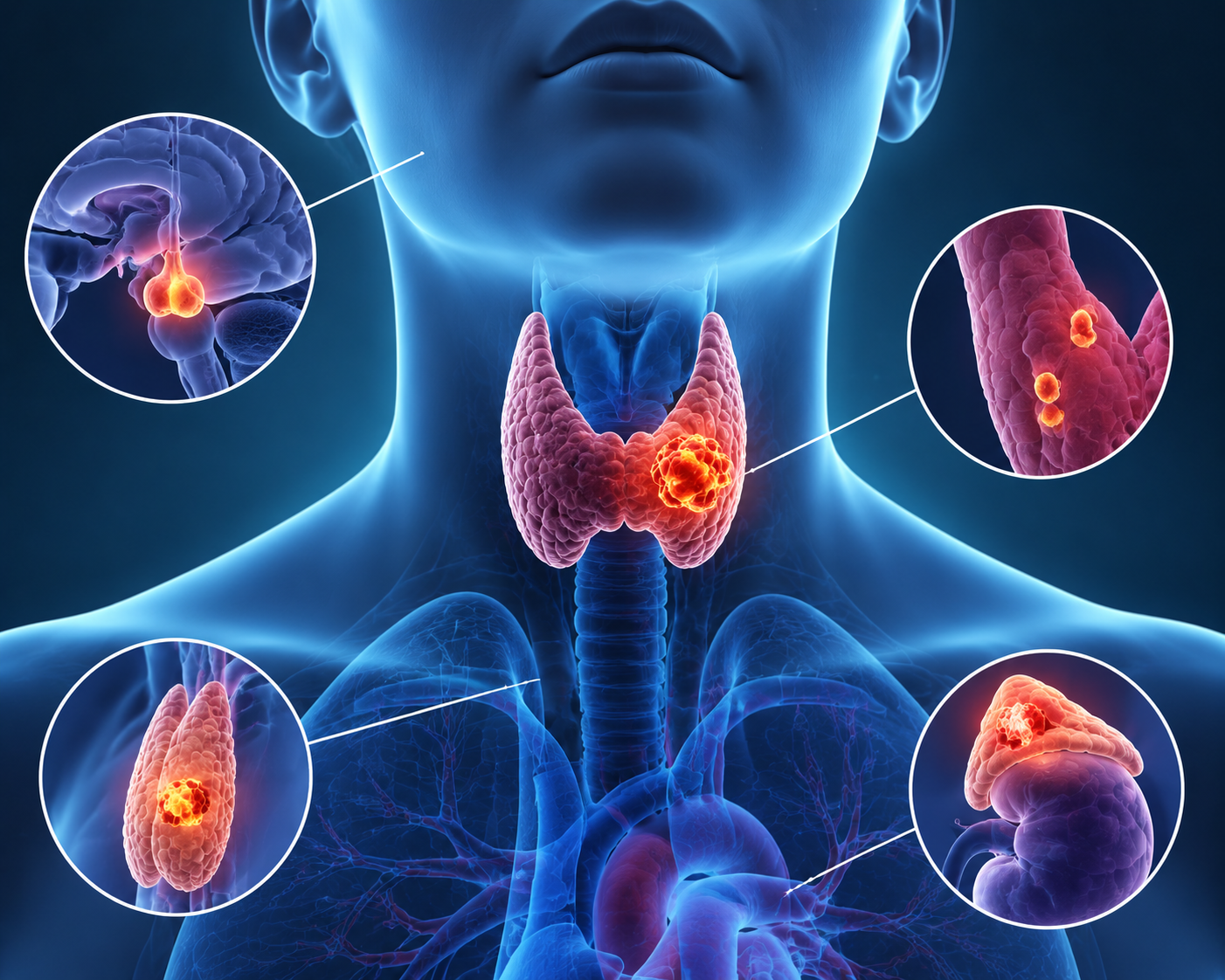
Receiving a diagnosis of an endocrine cancer can be overwhelming, but early diagnosis and specialised treatment can significantly improve outcomes. At GEM Cancer Centre, we provide comprehensive Endocrine Cancer Treatment in Coimbatore through advanced diagnostic technologies, experienced endocrine oncology specialists, and personalised treatment plans designed for every patient.
Our multidisciplinary team includes surgical oncologists, endocrinologists, medical oncologists, radiation oncologists, nuclear medicine specialists, radiologists, pathologists, and oncology nurses who work together to deliver coordinated, evidence-based care. Every treatment plan is tailored after evaluating the tumour type, hormone activity, genetic profile, disease stage, and the patient's overall health.
Whether you require robotic surgery, hormone therapy, targeted therapy, peptide receptor radionuclide therapy (PRRT), chemotherapy, or long-term surveillance, our specialists focus on delivering compassionate care using the latest medical advancements. Patients seeking Endocrine Cancer Treatment in Coimbatore can rely on GEM Cancer Centre for comprehensive care from diagnosis through recovery.
Early diagnosis is essential. If you experience unexplained hormonal changes, persistent high blood pressure, frequent headaches, unexplained weight changes, flushing, or recurrent low blood sugar episodes, consult our specialists for prompt evaluation.
Endocrine Cancer develops in hormone-producing glands that regulate important body functions such as metabolism, growth, blood sugar, reproduction, and stress response. These cancers may arise in the adrenal glands, pancreas, pituitary gland, thyroid, parathyroid glands, or neuroendocrine cells located throughout the body.
Some endocrine tumours produce excessive hormones that cause noticeable symptoms, while others remain silent until they grow larger or spread. Early diagnosis and specialised care are important for achieving the best possible outcomes.
The Symptoms of Endocrine Cancer vary depending on the gland involved and whether the tumour produces excess hormones.
Elevated blood pressure that remains unmanaged despite standard clinical interventions.
Recurrent or severe headaches associated with hormonal surges or pituitary involvement.
Unusual episodes of diaphoresis or excessive perspiration unrelated to physical exertion.
Significant fluctuations in body weight without deliberate dietary changes.
Frequent gastrointestinal disturbances or facial redness associated with neuroendocrine hormone release.
Hypoglycaemic attacks (such as insulinoma symptoms) causing dizziness, confusion, or weakness.
Generalized physical exhaustion and muscle weakness interfering with daily activity.
Persistent upper or lower abdominal discomfort related to abdominal neuroendocrine or adrenal masses.
Rapid or irregular heartbeats often triggered by catecholamine-secreting tumours like pheochromocytomas.
Incidental detection of glandular masses or nodules during routine ultrasound, CT, or MRI imaging.
Many of these symptoms may occur due to non-cancerous endocrine conditions. However, persistent or unexplained symptoms should always be evaluated by an experienced specialist.
Choosing the right cancer centre is essential for achieving the best treatment outcomes. At GEM Cancer Centre, our multidisciplinary endocrine oncology team combines advanced technology, specialised expertise, and personalised care to provide comprehensive Endocrine Cancer Treatment in Coimbatore for patients with both common and rare endocrine tumours.
Every patient receives an individualised treatment plan based on the type of endocrine tumour, hormone activity, genetic profile, stage of the disease, and overall health. Our specialists collaborate through a multidisciplinary tumour board to ensure evidence-based treatment tailored to each patient's needs.
Whether you have a neuroendocrine tumour, adrenal cancer, pheochromocytoma, or another endocrine malignancy, our goal is to deliver effective treatment while preserving your quality of life.
Accurate diagnosis is essential for selecting the most appropriate treatment. At GEM Cancer Centre, we use advanced investigations to identify the type of tumour, evaluate hormone production, determine disease extent, and personalise treatment planning.
Specialised blood and urine investigations help identify abnormal hormone production associated with endocrine tumours.
Our specialists may recommend:
These imaging techniques help accurately stage endocrine tumours and detect disease spread.
When appropriate, tissue samples are examined to confirm the diagnosis, identify tumour type, determine tumour grade, and guide treatment decisions.
Selected patients may benefit from genetic testing to identify inherited syndromes or molecular alterations that influence treatment decisions and family screening.
These comprehensive investigations allow our specialists to develop a personalised treatment strategy for every patient.
Treatment depends on the type of tumour, hormone activity, disease stage, and the patient's overall health. Our specialists provide evidence-based Endocrine Cancer Treatment in Coimbatore using advanced medical and surgical techniques.
Every treatment plan is carefully personalised to achieve the best possible outcomes while reducing treatment-related side effects and improving long-term quality of life.
Recovery is an important part of successful endocrine cancer management. At GEM Cancer Centre, we provide comprehensive follow-up care to help patients recover safely, manage treatment-related side effects, regulate hormone levels, and maintain their quality of life. Regular monitoring also helps detect recurrence early and ensures timely intervention when required.
Our multidisciplinary team supports every patient throughout recovery with personalised care and long-term guidance.
Continuous follow-up helps patients achieve better long-term health and supports successful recovery after endocrine cancer treatment.
The cost of treatment depends on the type of endocrine tumour, stage of the disease, recommended therapies, surgical procedures, hospital stay, and individual healthcare requirements.
During your consultation, our specialists will explain the recommended treatment plan and provide a transparent estimate based on your individual healthcare needs.
Every patient receives personalised and compassionate care from diagnosis through recovery.
Our endocrine oncology specialists assess your symptoms, medical history, hormone-related concerns, and previous reports before recommending appropriate investigations.
Advanced investigations including hormonal blood tests, imaging, biopsy, PET-CT, and molecular testing help accurately diagnose and stage the disease.
Our multidisciplinary tumour board develops an individualised treatment plan based on tumour type, hormone activity, genetic profile, disease stage, and overall health.
Treatment may include robotic surgery, hormone therapy, PRRT, targeted therapy, chemotherapy, radiation therapy, or a combination of these approaches as part of comprehensive cancer care.
Our specialists continue monitoring your recovery through scheduled follow-up visits, hormonal assessments, imaging, rehabilitation, and supportive care to promote long-term wellness.